Renting in Batumi: Why the Same Apartment Costs Three Times More in August
Batumi is a seasonal rental market and the calendar decides the price. A seafront apartment that rents for $400 in February can ask two or three times that in August. Here is how to rent there without paying the summer rate for a winter flat — or signing away your summer as an owner.
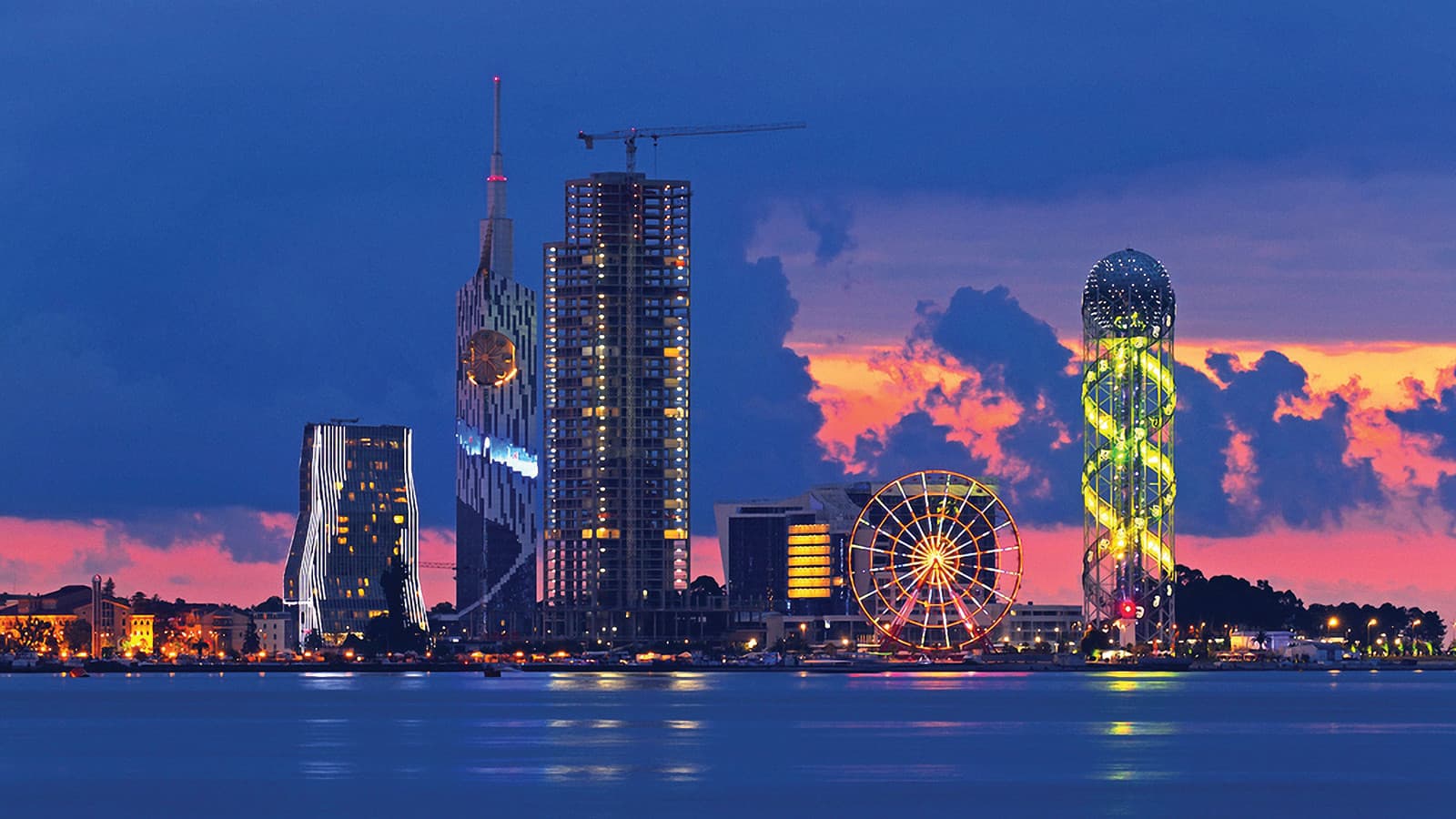
Batumi's rental market runs on a calendar, not a price list. Long-term rents start around USD 300-450 for a studio, USD 500-600 for a one-bedroom and USD 800-1,000+ for a two-bedroom with a sea view in a frontline building. But in the tourist zone, summer asking prices can be two to three times the off-season rate, and winter contracts run 20-30% below the annual average. Which month you sign in matters as much as which apartment you pick.
How much does seasonality actually move the price?
In buildings aimed at holidaymakers — the seafront strip and the new towers around it — June to September is when the owner expects to make the year. Off-season, from roughly October to March, the same units sit empty and asking prices drop by a fifth to a third. In residential districts away from the beach, where tenants are locals and long-term residents, the swing is much smaller.
That gap is the single most important thing to understand about renting in Batumi, whether you are the tenant or the owner.
| Type | Typical long-term monthly rent | Summer behaviour in the tourist zone |
|---|---|---|
| Studio | From around USD 300-450 | Often re-listed nightly rather than monthly |
| One-bedroom | Around USD 500-600 | 30-50% above off-season, more in peak weeks |
| Two-bedroom, sea view, frontline | USD 800-1,000 and up | Can reach two to three times the winter rate |
| Residential district, no sea view | Lower across the board | Modest seasonal movement |
The trap for tenants: the winter lease that ends in May
Cheap winter offers are easy to find in Batumi and many of them end precisely when the season starts. You sign in November at an attractive rate, and in May you are told the rent is doubling or the apartment is going onto a nightly platform. You then look for somewhere new in the worst possible month.
The defence is a twelve-month contract at a fixed rent. Landlords will often accept a lower annual figure in exchange for certainty across the winter, and a 11-12 month lease signed before spring locks the rate before the high season repricing. Ask for the rent to be stated for the full term, in one currency, with no seasonal adjustment clause.
Looking in Batumi and unsure whether an offer is a real long-term rate or a winter special? Kavlian's vetted local agents know which buildings reprice in summer. Asking costs nothing.
The mirror image for owners
If you own in the tourist zone, a long lease is a choice to trade the summer peak for twelve months of certainty. Sometimes that is the right trade — no cleaning, no turnover, no empty winter, no platform commission — and sometimes it means handing your best three months to a tenant paying a winter-weighted rate.
Run the arithmetic honestly before signing an annual lease: what the unit realistically earns nightly across June to September, minus management, cleaning, laundry, platform fees and the empty months, against twelve predictable payments. For many owners outside the frontline buildings, the boring annual lease wins.
Which part of Batumi should you rent in?
The seafront and New Boulevard area gives you the view and the summer atmosphere, along with summer pricing, summer noise and a large share of neighbours who are tourists on a weekly stay. The older residential districts inland are quieter, cheaper and far more stable year-round, with established shops and services rather than seasonal ones.
If you are staying a year, the second group is usually the better trade. If you are staying a season, you are paying for the first.
What will utilities cost?
Expect roughly USD 50-100 a month on average, but the spread across the year is wide — bills in the region of 60 lari in summer can reach 250 lari in the coldest months, mostly because of heating. Batumi's humidity also makes dehumidifying and ventilation a real running cost in some buildings, which is worth asking about before you sign.
Before you sign
- Get a twelve-month term with the rent fixed for the whole period.
- Check the contract for a seasonal clause allowing a summer increase. If it exists, it is the whole deal.
- Agree who pays the building fee, which in new seafront towers can be noticeably higher than in older blocks.
- Verify the owner against a Public Registry extract, exactly as you would in Tbilisi. See our guide to Georgian rental contracts.
- Visit in person if you can, or have someone you trust do it. Sea view is a phrase, not a measurement.
Rents move with the season and the year. Treat these figures as a guide and check current asking prices before budgeting.
FAQ
Is it cheaper to rent in Batumi than Tbilisi?
Off-season, often yes, especially away from the seafront. In peak summer the tourist zone can be more expensive than central Tbilisi.
Can I rent long-term in a building full of holiday lets?
You can, but consider what that means in July: short-stay neighbours, lifts in constant use, and a building that empties in winter.
Do landlords accept payment in dollars?
Rents are commonly quoted in dollars and paid in lari. Fix the rate and the currency in the contract rather than settling it each month.
Is winter in Batumi as quiet as people say?
Much of the seasonal infrastructure closes. That is a reason some people choose it and a reason others do not — worth seeing for yourself before committing to a year.
Find a place that fits the whole year
Kavlian's agents cover Batumi's residential districts as well as the seafront, and can tell you which buildings are genuinely long-term. Talk to a specialist for free or browse Batumi listings.
Talk to an Expert
Free consultation, no obligation