Georgia's Property Market in Mid-2026: What the Numbers Say
Prices rose about 3% over the year to Q1 2026 — but sales volumes moved far faster. Tbilisi sold 4,484 apartments in June 2026, a third more than a year earlier, while Batumi's market is now roughly half foreign buyers. Here is what that means if you are buying.
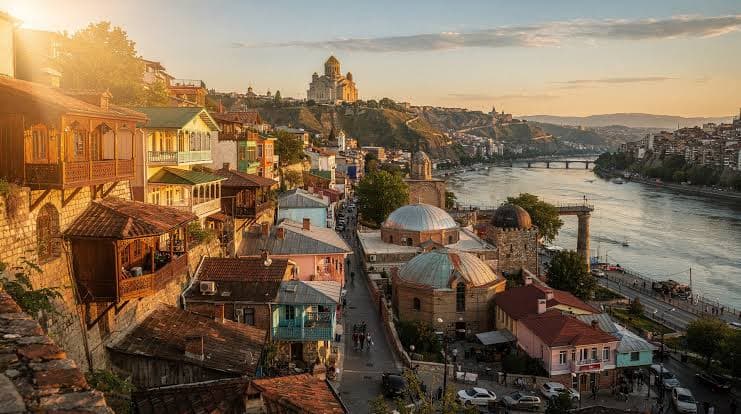
Prices are rising slowly; activity is rising fast. Georgia's residential property price index rose 1.8% in the first quarter of 2026 and about 3% over the year. Sales volumes tell a different story: Tbilisi sold 4,484 apartments in June 2026, up 34.7% year on year, with turnover of roughly $387 million. For a buyer that combination is unusually favourable — more choice, more competition among sellers, and no price spike.
What happened to prices in 2026?
Georgia's national statistics office publishes a residential property price index each quarter. In the first quarter of 2026 it rose 1.8% against the previous quarter, and about 3% against the same quarter a year earlier. Apartments moved slightly faster than houses — roughly 3.3% year on year against 1.8%.
Those are modest numbers, and that is the point. Georgian property is not in a price spike. Against inflation, the real increase over the year is close to zero, which means the market is absorbing new supply rather than bidding it up.
Wondering what a specific district actually costs today rather than what an index says? Kavlian connects you with a vetted local agent who will send you real asking prices, free of charge.
How much is an apartment in Tbilisi per square metre?
Asking prices in early-to-mid 2026 varied by roughly a factor of two across the city. The table below shows the ranges commonly quoted for newer buildings, alongside the average monthly rent per square metre recorded in April 2026.
| District | Buying, new build (per m²) | Rent, April 2026 (per m²/month) |
|---|---|---|
| Vake | $2,000–2,500 | $14.2 |
| Saburtalo | $1,500–1,800 | $11.3 |
| Gldani | $900–1,200 | $8.6 |
| Tbilisi average | — | $10.0 |
Read the two columns together and the trade-off becomes visible. Vake costs roughly twice what Gldani costs per square metre, but rents for only about 65% more. On rental yield alone the cheaper districts win; on resale demand and tenant quality, the central ones usually do.
Is now a good time to buy in Tbilisi?
Judged on the numbers, mid-2026 is a buyer's market that is turning. Volume is up sharply — June 2026 turnover in Tbilisi rose 53.9% year on year — while prices are up only a few percent. That gap normally closes in one of two ways: supply catches up, or prices follow the demand. Which of those happens is not something any article can tell you.
What the numbers do support is that liquidity has improved. A market selling four and a half thousand apartments a month is one where you can also sell, which matters more to most foreign buyers than the last percentage point on the entry price.
Are foreigners driving the market?
In Tbilisi, no. Foreign citizens accounted for about 11.4% of purchases in May 2026 — the capital is driven by Georgians buying homes. Batumi is a different market: foreign buyers were about 47% of apartment sales in April 2026, and in some project surveys above half.
Among foreign buyers in Batumi, buyers from the EU and from Israel each made up around 13% of sales, with Ukraine, Russia and Belarus together at about 11%.
This difference matters more than it first appears. A market that is half foreign is more exposed to sentiment abroad — currency moves, visa changes, a bad news cycle in one country. Tbilisi's domestic base makes it steadier and slower. Neither is better; they are different risks.
Tbilisi or Batumi? A Kavlian advisor will talk it through against your budget and what you want the property to do — no cost, no obligation.
What about Batumi's own numbers?
Batumi sold 1,468 apartments in June 2026, up about 8% on the year — real growth, but nothing like Tbilisi's 34.7%. That gap is the clearest single fact in this year's data: the capital is where the volume moved in 2026.
Where these figures come from, and how to use them
Price index figures are from Georgia's national statistics office; volume and foreign-share figures are from market reporting on registry data. Two cautions before you rely on any of it:
- Asking is not selling. Per-square-metre figures quoted publicly are usually asking prices. Agreed prices in Georgia are commonly a few percent lower.
- Averages hide the building. Two blocks on the same Saburtalo street can differ by 30% on age, lift, parking and floor. A district average tells you where to look, not what to pay.
Quick answers
Did Georgian property prices go up in 2026? Yes, but slowly — about 3% over the year to Q1 2026, roughly flat after inflation.
Which Tbilisi district gives the best rental yield? On these figures the cheaper districts do: Gldani rents for about 60% of Vake per square metre while costing under half as much to buy.
Is Batumi mostly foreign buyers? Close to half in 2026. Tbilisi is around 11%.
How fast is the market moving? Tbilisi sold 4,484 apartments in June 2026, 34.7% more than a year earlier.
Working out what this means for your budget
Market averages are a starting point, not an answer. What a given budget buys depends on the district, the building and the month you are looking. Kavlian matches you with a vetted local agency who works in your language and will tell you what is actually available at your number.
Talk to an Expert
Free consultation, no obligation