Buying Property in Georgia as an Iranian Citizen: What Actually Works (2026)
Iranian citizens can legally buy and fully own property in Georgia — the ownership side is straightforward. Banking and payment are the real bottleneck. Here is an honest look at what works, what does not, and where professional advice is essential.
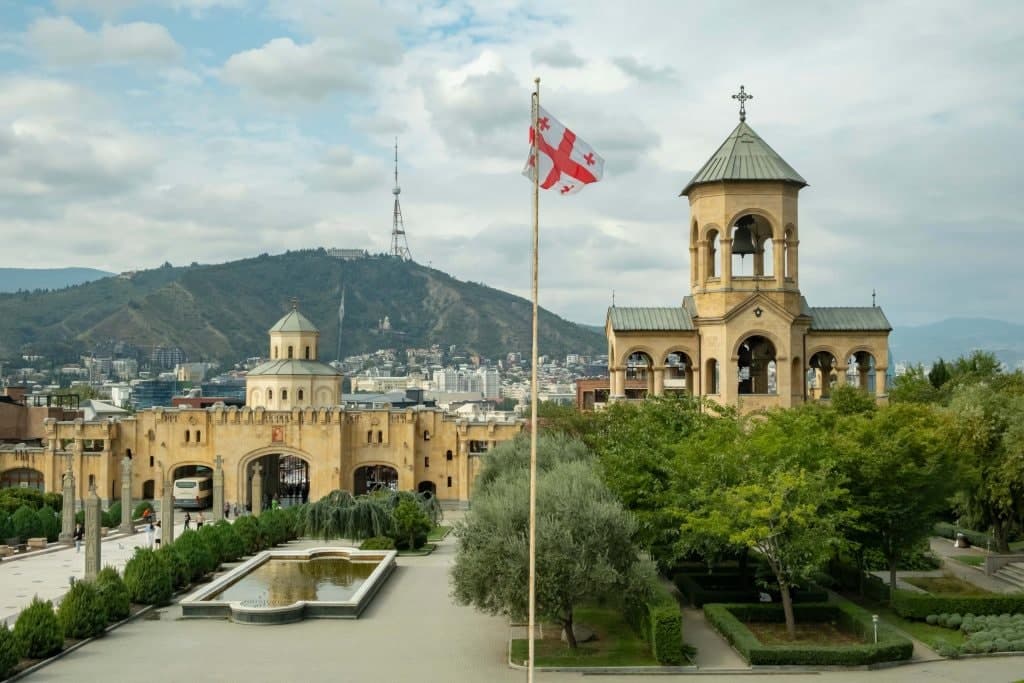
The short answer: yes, Iranian citizens can legally buy and fully own residential and commercial property in Georgia, on the same terms as any other foreign national. Ownership is the easy part. The genuinely difficult part is moving money and opening a bank account — and any guide that skips over that is not being straight with you.
Can Iranian citizens legally own property in Georgia?
Yes. Georgian law does not restrict property ownership by nationality for apartments, houses and commercial units. Iranian buyers register title at the National Agency of Public Registry exactly like buyers from any other country, and hold the same rights: full freehold ownership, the right to rent the property out, to sell it, and to pass it to heirs. The only category closed to all foreigners is agricultural land.
So what is actually hard?
Payment. International sanctions on Iran's banking sector mean that Georgian banks apply heightened compliance checks to Iranian clients, and many decline to open accounts for Iranian nationals outright. Wire transfers originating from Iranian banks are generally not possible through the international system. This is not a Georgian policy — it is how correspondent banking works globally, and it changes over time.
What this means in practice: the purchase itself is legally clean, but you need a lawful, documented payment route worked out before you commit to a property. Buyers who already hold funds in a jurisdiction with normal banking access are in a very different position from buyers whose funds sit inside Iran.
This is exactly the question to settle first, with a professional. Kavlian connects you with vetted Georgian lawyers who assess your specific situation and tell you honestly whether and how a purchase can proceed — free of charge, and with no obligation.
An important note on compliance
Sanctions regimes are complex, they differ depending on your residency and any second nationality, and they change. Nothing in this article is legal advice, and no reputable advisor will help you work around a restriction that applies to you. What a good lawyer will do is establish which rules apply to your case and whether a compliant route exists. Insist on that assessment in writing before transferring any money.
Travel and residency
Georgia has historically been one of the more accessible destinations in the region for Iranian travellers, which is a large part of why Iranian interest in Tbilisi and Batumi property is long-standing. Entry rules and permitted stay lengths do change, so verify the current position with an official source before booking.
On residency: owning residential property valued at $150,000+ (accredited appraisal) gives you the right to apply for a renewable residence permit. Be aware that applications are decided case by case and can be refused on security grounds without a stated reason — a possibility that in practice affects applicants from several countries. Treat a permit as a possible outcome, never as a guaranteed one, and never as the sole reason for a purchase.
What Iranian buyers typically look at
| City | Typical price/m² | Why buyers choose it |
|---|---|---|
| Tbilisi | $600–2,500 | Year-round rental demand, capital-city liquidity, established Iranian community |
| Batumi | $800–1,500 | Seaside, strong summer rental season, lower entry prices |
Long-term rental yields run roughly 6–10% gross, taxed at a flat 5% on residential rental income for registered individuals. There is no purchase tax, and capital gains are exempt after two years of ownership — the tax side is genuinely simple. See our full tax guide →
A realistic sequence
- Resolve payment first. Before viewing anything, get a written assessment of whether and how you can lawfully transfer funds. This single step saves the most time and money.
- Engage a Georgian lawyer. Not optional here. They handle compliance questions, title verification and the contract.
- Shortlist and verify. Check title, liens and the seller's identity at the Public Registry before any deposit.
- Register the purchase. Transfer completes at the Public Registry, typically within 1–4 business days.
- Then consider residency, if the property and your circumstances qualify.
FAQ
Can I buy without a Georgian bank account?
Property registration itself does not require a local account. The obstacle is not the registry — it is getting funds to the seller through a lawful route, which is what to resolve first.
Can I buy remotely by power of attorney?
Legally yes — a notarised, apostilled power of attorney lets a representative act for you. Whether it is practical depends entirely on the payment question above.
Does owning property guarantee a residence permit?
No. It gives you the right to apply. Decisions are individual and can be refused without explanation.
Can I sell later and take the proceeds out?
Georgia imposes no capital controls on sale proceeds. Your practical options for receiving those funds depend on the same banking realities described above.
Start with an honest assessment
The worst outcome is committing to a property and then discovering you cannot complete payment. Kavlian matches you with vetted Georgian legal and property specialists who will tell you plainly whether your situation works — before you spend anything. Request a free consultation → or browse current listings →
Talk to an Expert
Free consultation, no obligation